MTL and DTL: what do these terms actually mean?
Last updated 8 September 2026 · 6 min read
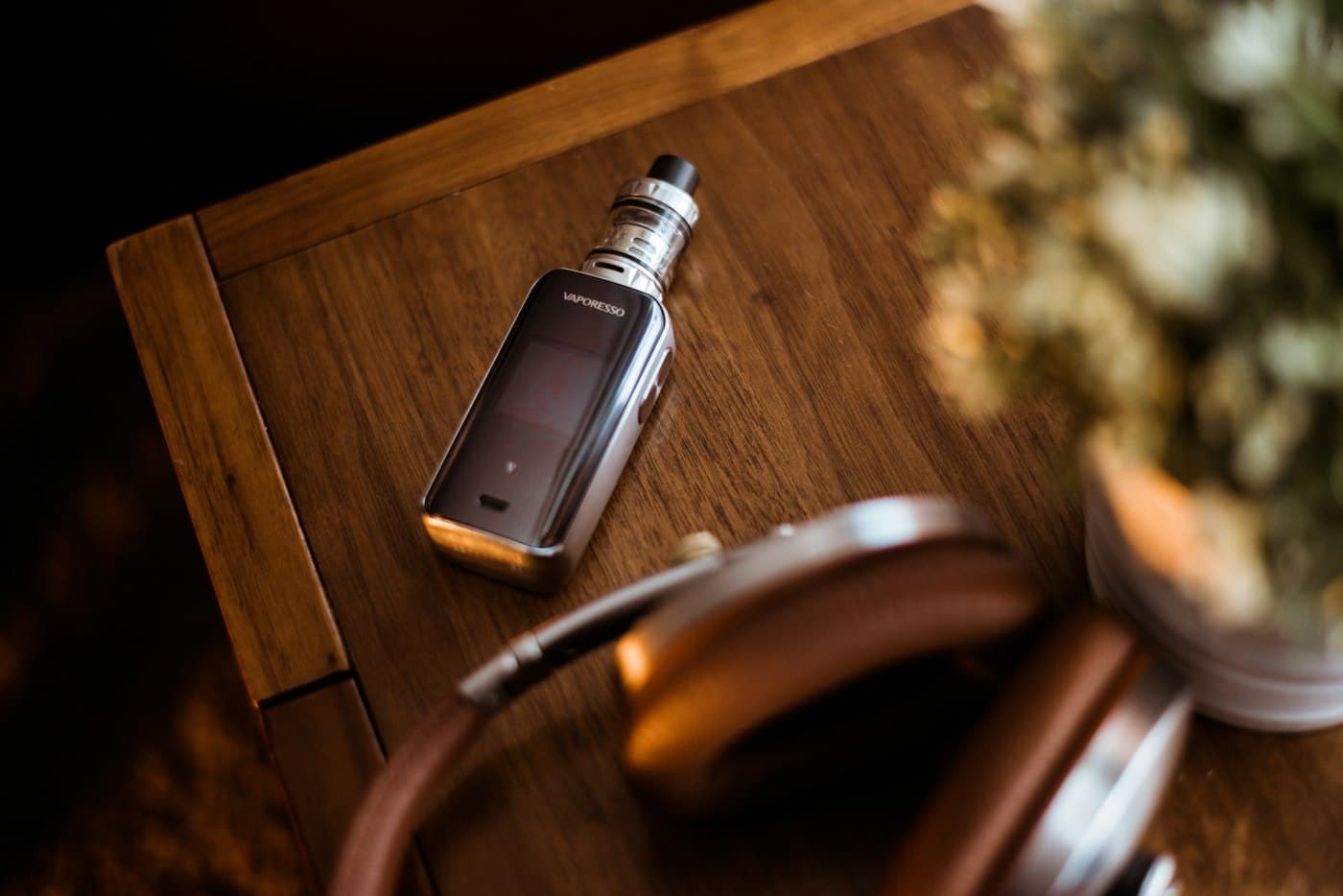
MTL stands for mouth-to-lung: you draw vapour into your mouth first, then inhale it into your lungs as a second step, similar to how you'd smoke a cigarette. DTL stands for direct-to-lung: you pull vapour straight into your lungs in one motion, similar to a deep breath. The two styles feel quite different and generally use different devices, coils and airflow settings.
How the draw itself differs
With MTL, the draw is tighter and more restricted, close to the resistance of pulling on a cigarette or a straw. Vapour is held briefly in the mouth before being inhaled, which is part of why MTL is the style most ex-smokers find familiar when switching over.
With DTL, the draw is far looser and airier. Vapour goes directly into the lungs without pausing in the mouth, producing noticeably larger clouds and a warmer, more open feel on the inhale. It's closer to breathing in deeply than to a cigarette-style puff.
Which devices are typically which
- MTL devices: simple pod kits and starter kits with tighter, often fixed airflow and higher-resistance coils, commonly above 1.0 ohm.
- DTL devices: larger tank-based mods and sub-ohm kits with fully adjustable airflow and low-resistance coils, commonly below 1.0 ohm.
- Hybrid devices: some modern pod kits offer an airflow control that lets you shift between a tighter MTL-style draw and a looser, more DTL-style draw on the same device.
| Feature | MTL | DTL |
|---|---|---|
| Draw feel | Tight, cigarette-like | Loose, deep-breath-like |
| Typical coil resistance | Above 1.0 ohm | Below 1.0 ohm (sub-ohm) |
| Common e-liquid type | Nic salts, higher PG | Freebase, higher VG |
| Vapour output | Modest | Large clouds |
| Best suited to | New vapers, ex-smokers | Experienced sub-ohm vapers |
Worth knowing
Mini-glossary of related terms
A handful of terms tend to come up alongside MTL and DTL. Here's what each means in plain English.
- Coil: the replaceable part that heats e-liquid into vapour, containing a resistance wire wrapped around a cotton wick.
- Ohms: the unit of electrical resistance printed on a coil; lower numbers mean more power flows through and more vapour is produced.
- Sub-ohm: a coil with resistance below 1.0 ohm, used almost exclusively for DTL vaping.
- Nic salt: a form of nicotine that's smoother at higher strengths, commonly used in MTL pod kits. Sold in 5mg, 10mg and 20mg strengths, see which strength you might need for a fuller breakdown.
- Freebase (nicotine): the traditional nicotine form, usually sold at lower strengths because it feels harsher when inhaled deeply.
- Airflow: the adjustable vent controlling how much air mixes with vapour on the draw, which is largely what defines whether a hit feels MTL or DTL.
Why the distinction matters when buying a kit
Picking a kit that matches the draw style you actually want avoids a lot of frustration. A tight MTL pod loaded with high-VG e-liquid can struggle to wick properly, and a loose DTL mod loaded with nic salts at a strength meant for MTL use can deliver far more nicotine per puff than intended. If you're unsure, a UK vape shop can usually let you try the draw resistance of a floor model before you buy, and can advise on why a new setup might taste burnt if the coil and e-liquid don't suit each other. UK-regulated nicotine e-liquid is capped at 20mg/ml under the Tobacco and Related Products Regulations, with a 10ml limit on nicotine-containing bottles and a 2ml limit on pre-filled pods and cartridges, regardless of which draw style you choose.